
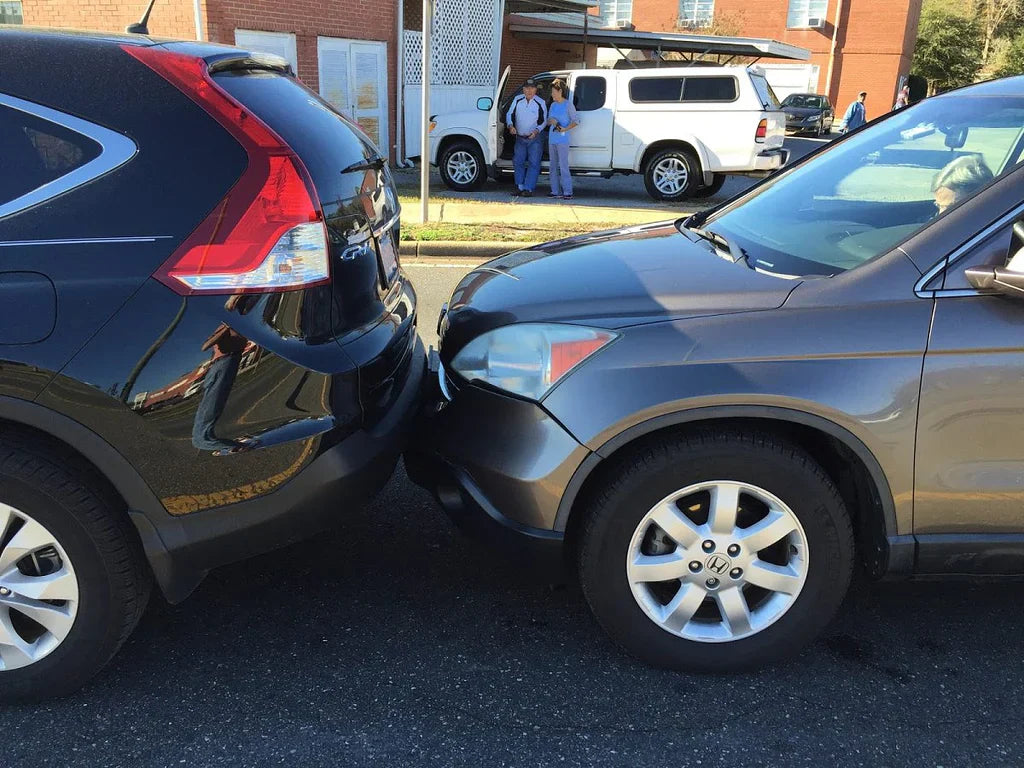
Road trips can almost be called an American tradition, but they also expose drivers to risks that everyday commuters don’t necessarily face. Sure, all drivers experience unfamiliar routes, nighttime driving, changing weather, and unpredictable traffic patterns, but a long drive heightens exposure to these things. In these situations, reliable documentation is essential. That is why HD dash cams have become increasingly important for modern road trips.
HD dash cams record high-resolution video of driving activity. Some models capture incidents while parked. They all provide visual evidence in the event of accidents or disputes. When combined with WiFi, GPS, and other technological advances, these devices become powerful companions for travelers who want added protection and convenience wherever the road takes them.
Introduction: Road Trips Come With Real Risks

The unfortunate truth of driving is that travel on public roads, especially on long drives, comes with some risks. In the United States alone, more than 40,000 people died in motor vehicle crashes in recent years. That makes car accidents one of the leading causes of death and injury in the USA. We haven’t gone into the statistics about property destruction.
The worst part is that the stress often doesn’t end with the accident. Having to manage insurance claims, investigators, and lawyers, in addition to potential injury and loss of property, can be overwhelming for anyone.
Luckily, around 95% of claims and litigation are settled before ever going to trial, meaning negotiation with insurance companies is often the pivotal battleground for compensation. Only a small percentage of cases proceed to full litigation, and delays, disputes over fault, and complex negotiations can add stress and uncertainty after an already traumatic event. In these situations, having clear, timestamped, and geo-marked dash cam footage can strengthen your position with insurers and legal representatives when you need to explain what really happened.
Why Road Trips Demand More Than a Basic Dash Cam
Even the best drivers cannot mitigate the risk of accidents. After all, you may be able to account for your own driving skills and practices, but all it takes is one driver who’s had too many, or someone taking risks by texting. Beyond that, the litigiousness of court proceedings and insurance claims in the wake of an incident can be stressful and disheartening.
That is why we recommend buying more than a basic dash cam, whether you’re just a daily driver trying to get to work or about to go on a long drive. Extended trips require consistent performance during long recording sessions and dependable protection when the vehicle is parked overnight.
How Do Dash Cams Work?
Dash cams are essentially a portable CCTV system in your car. Most models are active only while the car is being driven, but hardwire kits and units with a parking mode can fix that. Some advanced systems have multiple cameras facing different directions, WiFi file transfer (which we will discuss in the following section), and GPS.
More often than not, these systems come with loop recording, a process through which the oldest footage is deleted on the internal memory or SD card to make space for new footage. Special sensors can also detect crashes and sudden changes in speed so that they can mark specific clips as important. This process preserves these clips, excluding them from potential automatic deletion.
What Is an HD Dash Cam With WiFi?
A dash cam with WiFi does not mean the camera doesn’t have power cables. Instead, WiFi enables wireless communication between the dash cam and a smartphone or tablet. This allows drivers to view live footage, download recorded clips, and share videos without removing the SD card. Essentially, this is a feature built into many dashcams that makes things more convenient for the driver or owner.
It can also be practical. For instance, if an incident occurs far from home, drivers can quickly access footage on their phone and provide it to the relevant authorities on the spot.
HD Dash Cam With WiFi & GPS: Why GPS Matters on the Road
GPS, using a system of satellites that are constantly scanning the surface of the earth, can record speed, location, and time data alongside video footage. Better yet, a dash cam with GPS can incorporate this data into your video footage. In a he-said, she-said scenario, this information can be like a silver bullet. After all, when the video footage says you’re only going a certain speed, it would be hard to dispute that in court.
For road trips that span long distances or multiple regions, GPS data also provides a clear record of travel routes. This can be particularly helpful in disputes involving speed, positioning, or timing, offering additional reassurance when driving through unfamiliar territory.
Front and Rear Dash Cam Coverage for Long-Distance Driving
Many drivers underestimate how often incidents occur outside the front field of view. Rear-end collisions, tailgating, and parking lot accidents are common during road trips, especially in busy tourist areas or overnight stops. A front-only camera may miss critical details in these situations.
A front and rear dash cam setup can capture activity from multiple angles, providing a fuller picture of events. After all, car accidents can occur from the front, back, and sides of a car. A drunk driver could rear-end you. A stoplight beater could hit you from the side. Without cameras pointing in these directions, you might be hard-pressed in a courtroom scenario.
Parking Mode & Motion Detection During Road Trips
Road trips often involve leaving vehicles parked for extended periods in unfamiliar places. Parking mode allows a dash cam to monitor the vehicle even when the engine is off, recording footage if motion or impact is detected. This feature can be particularly useful at campsites and roadside stops.
When properly installed using a hardwire kit, parking monitoring operates without draining the vehicle’s battery. In case somebody hits your car while you’re not in it, you can rest assured that there is footage to determine who hit you and ran.
Video Quality Matters: HD Dash Cam vs. 4K Dash Cam
One common misconception that has been spread around by cop shows is that it is possible to “enhance” fuzzy footage. In real life, this is not possible at all. There is no “enhance” button that you can press or click on to get a clearer picture. Usually, that’s as clear as it gets.
HD dash cams can provide clear, reliable recordings suitable for most driving conditions. HD is still somewhat clear and does not require large storage. HD models are also generally cheaper. Depending on your driving habits, it may serve well enough.
4K dash cams, on the other hand, offer even more detail and sharper clarity, but they do require more storage. They are, however, especially useful in hit-and-run scenarios. A camera capable of capturing even the most minute details might just be able to catch that license plate or even the faces of escaping criminals.
Choosing the Best Dash Cam for Road Trips
The right long-distance dash cam involves focusing on practical features rather than inflated specifications. Reliable video quality, WiFi connectivity, GPS logging, and parking mode are core elements that directly impact safety and usability on the road.
Additional features such as multi-channel recording, glare-reducing filters, and large SD cards can further enhance the experience, but the most important consideration is consistency. A dependable dash cam should perform reliably across thousands of miles, varying conditions, and extended driving sessions.
Example Setup: A Multi-Channel HD WiFi Dash Cam Like the Vantrue N5

For drivers who spend long hours on the road, the Vantrue N5 is a strong example of how a multi-channel HD dash cam can support road trip safety in real-world conditions. Built with extended travel in mind, it records high-definition footage from multiple angles, helping capture incidents on busy highways, quiet rural roads, and unfamiliar routes where visibility and awareness matter most.
Everyday usability is where the system really stands out. The built-in wifi, GPS, multiple channels, and the many possible accessories for upgrading it make it a very palatable purchase.
Dash Cam Installation Tips for Road Trips
Proper installation ensures that a dash cam performs effectively throughout a road trip. The front camera should be mounted behind the rearview mirror to avoid obstructing the driver’s view while maintaining a clear recording angle. Rear camera cables should be routed discreetly along interior trim to prevent interference or damage.
You should also make sure that your cameras are pointed
Conclusion: Travel Far, Record Clearly
Road trips are meant to be memorable, but, as the old saying goes, things happen. An HD dash cam with WiFi and GPS can help drivers travel with confidence by providing reliable documentation, protection, and access to footage when it matters most. In this case, it’s best to defer to the wisdom that it is better to have it and not need it than need it and not have it.
For more guidance on safer driving and advanced dash cam use cases, explore the Vantrue Blog , including insights on dash cams for fleet management and other road safety resources. When planning your next journey, equipping your vehicle with a capable dash cam is a simple step toward a safer, more secure road trip.
Deel:
Dashcams voor Uber- en Lyft-chauffeurs: Bescherm je baan en blijf veilig
Wat is de beste 4K-dashcam voor auto's en motoren?