
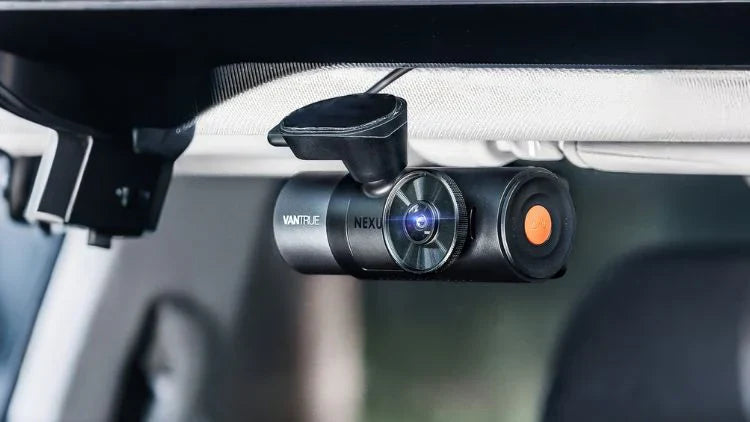
Being an Uber or Lyft driver can feel repetitive one moment and unpredictable the next. You might spend hours giving smooth, quiet rides, only to find yourself dealing with a difficult passenger or a stressful situation you never expected. Because your car is also, essentially, your workplace (your livelihood!), one misunderstanding or accusation can put your income at risk.
That is why dash cams for uber drivers have become such an important tool. They are not about assuming the worst. They are about being prepared. When something does happen, a dash cam can give you a clear, factual record that can protect your side of the story. For many professional rideshare drivers, that peace of mind alone is absolutely worth it.
This article looks at the real risks rideshare drivers face, explains whether dash cams are allowed, and shows how multi-channel cameras can help protect both your safety and your job.
Introduction – Why Dash Cams Matter More Than Ever for Uber Drivers
You likely know how it goes. The drivers work alone, sometimes deep into the night, and regularly interact with people they have never met before. At the same time, they rely on app-based platforms that can pause or deactivate accounts quickly if a complaint is filed. Even just one bad review from one disgruntled Karen of a customer can affect your income. Even when you have done nothing wrong, the process can be stressful and financially damaging.
This is where dash cams for uber drivers make a real difference. A dash cam acts as a neutral witness. It records what actually happened instead of leaving everything up to memory or conflicting statements. With video evidence, drivers are better equipped to defend themselves during disputes and investigations.
In the sections ahead, we will cover common risks, platform rules, and why multi-channel dash cams offer stronger protection than basic setups.
Real Dangers for Uber and Lyft Drivers on the Road
Harassment is one of the most frequently reported issues reported by Uber and Lyft drivers. It’s not uncommon to be yelled at, insulted, or pressured during rides, especially when passengers are drunk out of their wits.
Physical confrontations, while less common, often happen late at night in busy entertainment areas. Even a minor altercation can lead to injury, police involvement, or account suspension.
False accusations are another major concern. A rider may complain about unsafe driving, discrimination, or behavior that never occurred for whatever devious reason. What’s worse is that platforms almost always take customers at their word, while drivers must go on the defensive to prove their innocence. Drivers can even lose access to their apps while an investigation takes place. For drivers who depend on the immediate daily income, even a short deactivation is a financial strain.
On top of that, road-related incidents such as accidents, hits-and-runs, and vandalism are everyday realities for professional drivers. Without video footage, proving fault or defending yourself becomes much harder.
Are Dash Cams Allowed for Uber and Lyft?
Many drivers ask, are dash cams allowed for uber lyft platforms? In general, yes, dash cams are permitted as long as drivers follow platform guidelines and local laws.
Uber allows dash cams when passengers are notified about recording. Lyft has similar rules. Notification can be done through a profile note, in-app settings where available, or visible signs inside the vehicle. Transparency is key.
Recording laws depend on the state, especially when it comes to audio. In states that require consent from all parties, drivers often disable audio recording or use clear signage that mentions both video and audio. Video-only recording is typically simpler from a legal standpoint. Luckily, this can easily be addressed in the settings of most modern dashcams.
From a practical perspective, visible cameras can actually improve rides. Passengers are often more respectful when they know a camera is present, which helps reduce tension and misunderstandings.
How Dash Cams Deter Bad Behavior and Resolve Disputes
One of the biggest advantages is prevention. People tend to think twice before misbehaving when they know their actions are being recorded. A front and inside setup can capture the full context of a ride. The front camera records traffic conditions and road incidents, while the interior camera documents passenger interactions.
Drivers often report fewer complaints after installing dash cams. Small disagreements are less likely to escalate, and passengers are more kind and mindful of their behavior. When disputes do happen, video evidence can quickly clarify the situation for support teams or insurance providers.
Instead of trying to explain events through messages, drivers can submit footage that clearly shows the truth. That alone can save time, stress, and uncertainty. In many cases, it means protecting your income.
Multi-Channel Dash Cams – The Best Choice for Uber Drivers
Multiple channels offer broader protection than single-camera systems. After all, accidents don’t just happen from the front of a vehicle. For Uber and Lyft drivers, the sides, rear end, and interior of a vehicle matter just as much.
This wider coverage is especially helpful in complex situations. Front and rear cameras capture accidents or aggressive driving from other vehicles. Interior footage is arguably the most important consideration for an Uber driver, especially when facing a bad customer.
High-resolution video makes important details easier to see. Interior night vision is useful for evening and overnight shifts. GPS data can support your account of events by showing speed and location.

For drivers dealing with insurance claims or platform investigations, having complete footage can make the process far smoother and fairer.
Installation and Best Practices for Rideshare Dash Cams
Front cameras are usually mounted behind the rearview mirror to avoid blocking your view. Interior cameras should be positioned to cover the full cabin clearly. To address this, many models allow you to change the angle of the lens.
Visible signage inside the vehicle is also important. It helps meet legal requirements and lets passengers know recording is in place. This alone can prevent many issues before they start. After all, people don’t want to behave badly when they know they’re being recorded.
Regular checks are also important. Cleaning the lens, verifying angles, and making sure memory cards are functioning properly help ensure your dash cam is reliable.

Conclusion – Drive with Confidence and Protect Your Livelihood
Rideshare driving comes with risks that are often outside a driver’s control. Harassment, false complaints, and unexpected incidents can happen to anyone, regardless of experience.
Dash cams for uber drivers offer a practical way to protect yourself. They discourage bad behavior, provide clear evidence when issues arise, and help you feel more confident behind the wheel. Instead of worrying about what could happen, you can focus on driving safely and doing your job well.
If you want greater peace of mind on every ride, investing in a reliable multi-channel dash cam is a smart step. Visit the Vantrue website to learn more about dash cam solutions designed to support rideshare drivers and help keep you protected on the road.
Compartir:
¿Por qué los viajes por carretera necesitan una cámara de salpicadero HD con WiFi y GPS?