
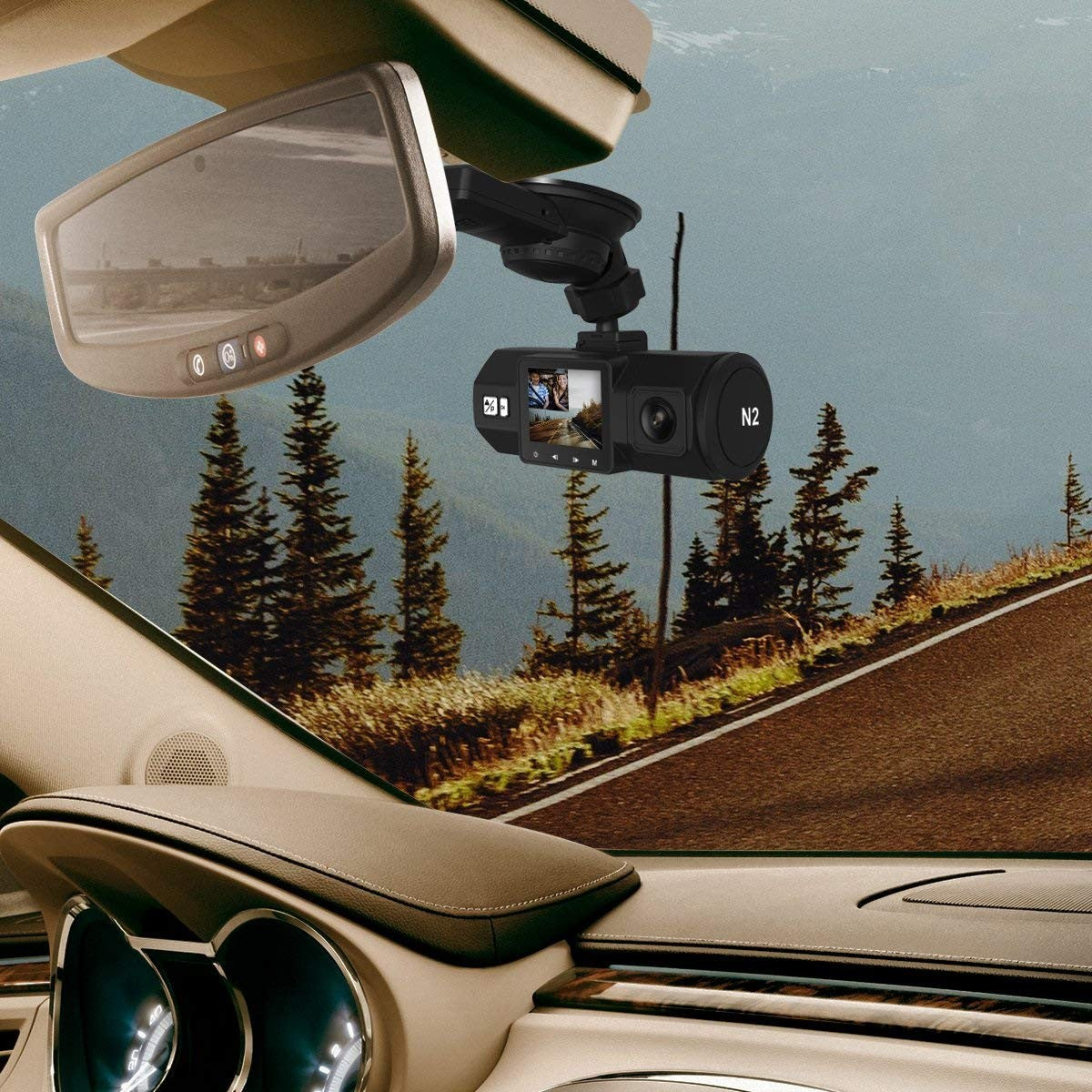
Was ist eine GPS-Dashcam und wie funktioniert sie?
Die gleichzeitige Verwaltung mehrerer Servicefahrzeuge ist ein ständiger Spagat. Zwischen steigenden Kraftstoffkosten, unvorhersehbarem Verkehr, Sicherheitsbedenken der Fahrer und Kundenerwartungen an einen pünktlichen Service bewältigen Fuhrparkleiter tatsächlich mehr Herausforderungen, als den meisten bewusst ist.
Als ultimative technologische Lösung für Fuhrparkleiter und Ähnliches ist eine GPS-Dashcam ein leistungsstarkes Werkzeug, das Videoaufzeichnung mit GPS-Tracking in Echtzeit kombiniert. GPS-fähige Dashcams ergänzen jede Aufnahme um hilfreiche Kontextinformationen wie Standort, Geschwindigkeit und Zeitstempel.
Dies vermittelt ein umfassenderes Bild des Geschehens auf der Straße, und die Kombination von GPS und Video schafft Verantwortlichkeit, Effizienz und Sicherheit für Flottenbetreiber.
Haben alle Dashcams GPS?
Haben Dashcams standardmäßig GPS? Einige Dashcams verfügen über GPS, aber nicht alle. Während viele moderne Modelle mittlerweile GPS integrieren, gibt es immer noch zahlreiche Modelle auf dem Markt, die sich auf das Wesentliche beschränken.
Standard-Dashcams protokollieren weder den Standort des Fahrzeugs noch die Geschwindigkeit oder spezifische Zeitstempel von Ereignissen. Hier zeichnen sich GPS-fähige beste Dashcams aus, da sie eine präzise Standortverfolgung, Geschwindigkeitsdaten und Zeitstempel für jeden Clip bieten. Diese Funktionen ermöglichen ein viel klareres Bild davon, was wann passiert ist.
Vielleicht fragen Sie sich: „Benötige ich GPS an einer Dashcam, um meine LKWs effektiv zu betreiben?“ Für Privatfahrer mag es optional sein. Für Serviceflotten lautet die Antwort jedoch fast immer ja. Dashcam mit GPS-Tracking-Funktionen liefern Beweise bei Streitfällen, validieren Routen und verbessern die Verantwortlichkeit, wodurch sich eine Dashcam von einem passiven Rekorder in ein aktives Management-Tool verwandelt.
Warum GPS-Dashcams für Service-LKWs wichtig sind

Erhöhte Fahrersicherheit
Fahrer überdenken Geschwindigkeitsüberschreitungen oder unnötige Risiken eher, wenn sie wissen, dass ihr Handeln sowohl durch GPS als auch durch Video aufgezeichnet wird. Die zusätzliche Ebene der Verantwortlichkeit, die eine Kamera bietet, kann zu weniger riskantem Fahrverhalten führen. Diese regelmäßige Aufsicht trägt im Laufe der Zeit zur Entwicklung einer sichereren Fahrkultur bei.
Genaue Beweise bei Unfällen
Widersprüchliche Aussagen stehen häufig im Mittelpunkt von Streitigkeiten nach Unfällen. Durch die Verifizierung des genauen Standorts, der Geschwindigkeit und des Zeitpunkts des Vorfalls füllt GPS-Daten diese Lücken. Da GPS-Koordinaten und Geschwindigkeitsprotokolle Videoaufnahmen weitaus zuverlässiger machen als reines Filmmaterial, können diese Beweise in Kombination mit Video Versicherungsansprüche maßgeblich unterstützen und Streitigkeiten schnell beilegen.
Verbessertes Flottenmanagement
Die Verfolgung von Service-LKWs in Echtzeit gibt Managern die Möglichkeit, Routen zu optimieren und unnötige Kilometer zu reduzieren. Das bedeutet eine bessere Disposition, weniger Kraftstoffverbrauch und geringere Betriebskosten. Mit einem GPS-fähigen System basieren Entscheidungen nicht auf Vermutungen. Sie werden tatsächlich durch präzise Standortdaten geleitet.
Einhaltung von Vorschriften und Richtlinien
Für Flotten, die strenge Fahrzeitbeschränkungen oder standortbasierte Berichte einhalten müssen, vereinfacht die automatische GPS-Protokollierung die Compliance erheblich. Ein klarer digitaler Datensatz reduziert das Risiko menschlicher Fehler und hilft, kostspielige Bußgelder im Zusammenhang mit fehlenden oder ungenauen Protokollen zu vermeiden.
Gesteigerte betriebliche Effizienz
Leerlaufzeiten summieren sich, ebenso wie Verzögerungen. GPS-Einblicke zeigen, wann und wo LKWs zu viel Zeit mit Warten verbringen, sodass Vorgesetzte die Zeitpläne anpassen und Verschwendung reduzieren können. Das Ergebnis sind eine bessere Produktivität und eine höhere Rate an pünktlichen Lieferungen.
Besserer Kundenservice
Einfach ausgedrückt macht GPS-Tracking den Kundenservice zuverlässiger. Es ermöglicht den Betreibern, Kunden genaue Ankunftszeiten zu nennen, und wenn ein Kunde eine Lieferung infrage stellt, hilft aufgezeichnetes Video gepaart mit GPS-Zeitstempeln bei der Klärung von Streitfällen. Dies unterstreicht zudem die Professionalität.
Wichtige Merkmale, auf die Sie bei einer GPS-Dashcam achten sollten
Es lohnt sich wirklich, in Funktionen zu investieren, die über das Minimum hinausgehen. Aber welche Funktionen sind am sinnvollsten? Zum einen ist hochauflösendes Video entscheidend. In Kombination mit GPS-Overlays zeigt glasklares Filmmaterial nicht nur, was passiert ist, sondern auch, wo es passiert ist und in welchem Moment. Für interne Untersuchungen und Versicherungsprüfungen ist dieses Maß an Genauigkeit erforderlich.
Die Zwei-Kanal-Aufzeichnung ist ein weiteres großartiges Feature. Sie gibt Managern den Kontext, um riskantes Verhalten besser zu analysieren, und hilft, verantwortungsbewusstes Fahren zu bestätigen, indem sowohl das Geschehen auf der Straße als auch in der Kabine mit Ihrem Fahrer aufgezeichnet wird. Es wirkt zudem proaktiv Unfällen entgegen, insbesondere wenn Sie Echtzeit-Warnungen für gefährliches Verhalten wie Geschwindigkeitsüberschreitung, plötzliches Bremsen oder scharfes Kurvenfahren einführen.
Zugänglichkeit ist ebenfalls wichtig. Cloud-Speicher erspart Ihnen den Kauf, die Aufbewahrung und den Austausch physischer Karten und macht es einfach, jederzeit auf GPS-Daten und Videoclips zuzugreifen. Schließlich sollten Sie nach einem Produkt suchen, das eine vollständige Vernetzung durch die Integration in Flottenmanagement-Software ermöglicht. Dies schafft eine optimierte Ansicht des Flottenbetriebs, die die Verantwortlichkeit erhöht und Zeit spart.
Häufige Fragen von Fuhrparkleitern
1. Nehmen Dashcams auf, wenn das Auto ausgeschaltet ist?
Ja – viele GPS-Dashcams unterstützen den Parkmodus, der es ihnen ermöglicht, Vorfälle auch bei ausgeschaltetem Motor aufzuzeichnen. Für Flotten hilft dies dabei, Fahrerflucht, Vandalismus oder unbefugten Zugriff zu erfassen.
2. Wo sollte ich eine Dashcam in einem Service-LKW montieren?
Die meisten Flotten-Dashcams werden hinter dem Rückspiegel montiert, um die beste Sicht und die Einhaltung lokaler Gesetze zu gewährleisten. Eine unsachgemäße Montage kann die Sicht des Fahrers behindern, daher ist die Platzierung sowohl für die Sicherheit als auch für die Legalität wichtig.
3. Sind Dashcams mit GPS in den USA oder Kanada legal?
Dashcams sind in den meisten Bundesstaaten und Provinzen legal, aber die Regeln variieren. Das wichtigste Gesetz betrifft die Behinderung der Sicht durch die Windschutzscheibe. In einigen Regionen muss die Kamera in bestimmten Zonen mit geringer Sichtweite montiert werden.
4. Benötige ich eine Heck-Dashcam für Servicefahrzeuge?
Viele Fuhrparkleiter entscheiden sich für eine Zwei-Kanal-Dashcam, um sowohl die Straße als auch das Heck des Fahrzeugs im Blick zu haben. Dies hilft bei der Dokumentation von Laderampen, Parkunfällen und Auffahrunfällen.
5. Wie viel kostet die Installation einer Dashcam in einem LKW?
Die professionelle Installation kann je nach Verkabelung, Zwei-Kanal-Setup und Flottengröße zwischen 80 und 180 USD pro Fahrzeug liegen. Eine Festverdrahtung wird für die 24/7-GPS-Verfolgung und den Parkmodus empfohlen.
6. Wie arbeiten GPS-Dashcams mit Flottenmanagement-Software zusammen?
Moderne GPS-Dashcams lassen sich in Flottensysteme integrieren, um Standort, Videomaterial, Warnungen zum Fahrerverhalten und Routenprotokolle zu synchronisieren – was zur Senkung der Kraftstoffkosten und zur Verbesserung der Disposition beiträgt.
7. Nehmen Dashcams auch Ton auf?
Die meisten GPS-Dashcams können Audio aufnehmen, aber Flotten deaktivieren diese Funktion möglicherweise, um Datenschutzgesetze einzuhalten. Überprüfen Sie stets die örtlichen Vorschriften für Tonaufnahmen.
Fazit
Für jede Meile, die Ihre Service-LKWs zurücklegen, bietet eine Dashcam mit GPS zusätzlich zur Aufzeichnung der Straße Kontext, Verantwortlichkeit und Effizienz. Die Vorteile sind kaum zu übersehen und reichen von der Stärkung des Kundenvertrauens und des Flottenmanagements bis hin zur Erhöhung der Fahrersicherheit und der Bereitstellung präziser Unfallbeweise.
Dieses Tool ist eine sich schnell auszahlende Investition für Fuhrparkleiter, die Betriebskosten, Sicherheit und Compliance in Einklang bringen müssen. Schauen Sie also unbedingt bei Vantrue vorbei, um zuverlässige, hochmoderne Optionen zu finden, die Ihnen helfen, Ihren Flottenbetrieb zu verbessern.
Teilen:
So gehen Sie nach einem Verkehrsunfall mit Ihren Dashcam-Aufnahmen um
Heck-Dashcams: Fragen, Installation und mehr