
Speicherkarten spielen eine entscheidende Rolle für die Leistung von Dashcams. Die Kamera nimmt das Video auf, aber die Speicherkarte gewährleistet eine zuverlässige Speicherung ohne Störungen oder Datenverlust.
Verbraucher sind oft verwirrt durch die Begriffe TF-Karten, microSD-Karten und SD-Karten. Sind sie alle gleich? Haben sie unterschiedliche Formate? Im Grunde wollen sie wissen, welche Karte am besten für ihre Dashcam geeignet ist.
Dieser Artikel erklärt, was eine TF-Karte ist und wie sie im Vergleich zu microSD- und SD-Karten abschneidet. Dies wird Ihnen helfen, die kompatibelste Karte für Ihre Dashcam auszuwählen. Wir hoffen, dass Ihnen dies dabei hilft, eine fundiertere Kaufentscheidung zu treffen.
Was ist eine TF-Karte?
TransFlash (TF)-Karten wurden im Jahr 2004 eingeführt. Es handelte sich um eines der kleinsten Flash-Speicherformate, das jemals entwickelt wurde – kleiner als ein Fingernagel des kleinen Fingers. Ihre geringe Größe und Flexibilität machten sie ideal für kompakte Geräte wie Mobiltelefone und GPS-Einheiten. Mit einer Größe von nur 11x15 mm boten diese Karten eine praktische Möglichkeit, Daten in elektronischen Geräten mit begrenztem Platzangebot zu speichern.
Die SD Association standardisierte das Format der Karte im Jahr 2005 und benannte sie in microSD um. Diese Änderung verknüpfte sie mit der größeren Secure Digital (SD)-Familie. MicroSD hilft Herstellern und Anwendern zu erkennen, welche spezifischen Geräte und Modelle die Karten verwenden können.
TF-Karten und microSD-Karten sind austauschbar, wenn es um die Verwendung in Dashcams geht. Beide haben die gleiche Größe, bieten die gleichen Funktionen und passen in dieselben Speicherkartensteckplätze.
MicroSD-Karten und SD-Karten erklärt

- MicroSD-Karten werden häufig in Mobiltelefonen, Drohnen, Action-Kameras und Dashcams verwendet. Sie sind klein, leistungsstark und schnell. Aufgrund ihrer Größe von 11x15 mm sind diese Karten nützliches Zubehör für Gadgets und elektronische Geräte mit wenig Platz. Sie verfügen über schnelle Lese- und Schreibgeschwindigkeiten und sind perfekt für die kontinuierliche Aufnahme mit einer Dashcam geeignet.
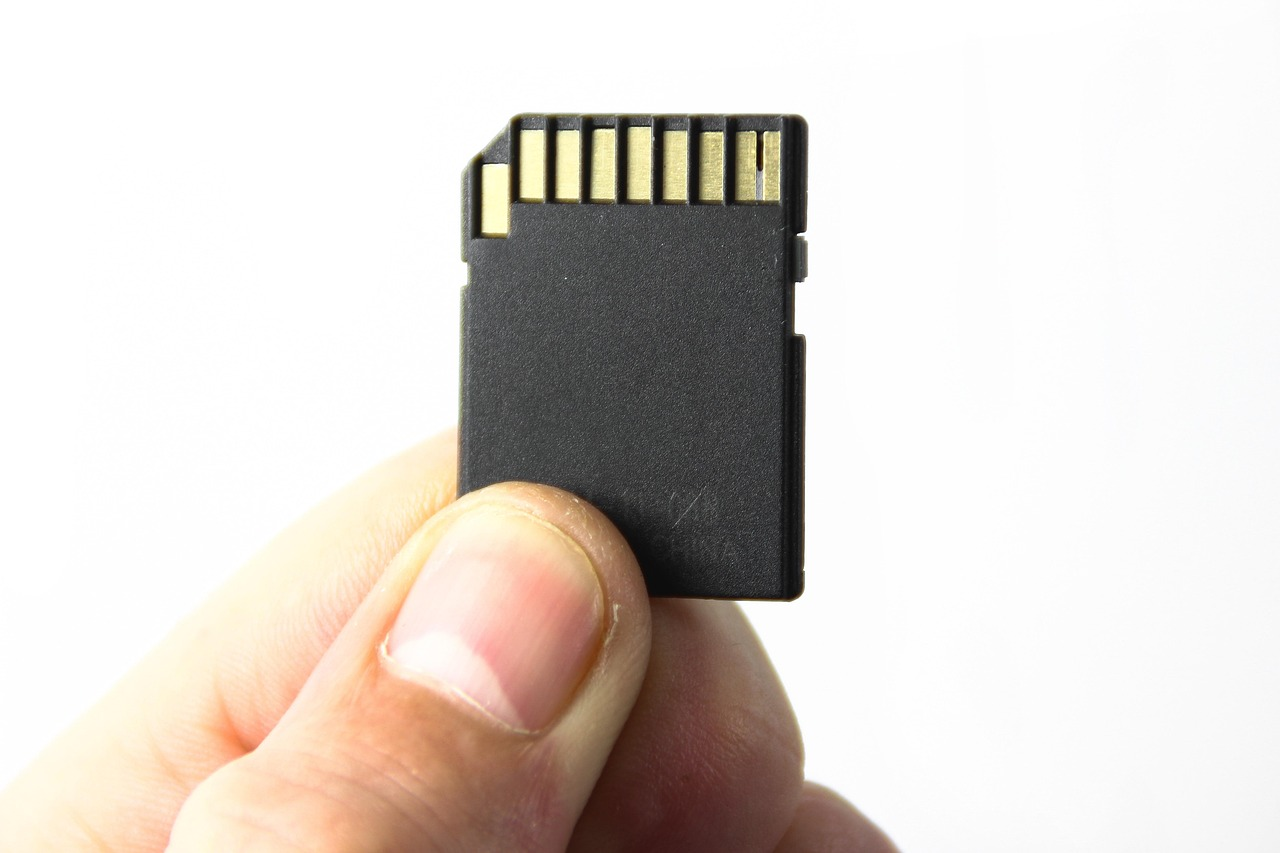
- SD-Karten (Secure Digital Karten) sind 24x32 mm groß und haben ein Standardformat. Die ersten Geräte, in denen sie eingesetzt wurden, waren Laptops und Digitalkameras. SD-Karten werden in modernen Dashcams aufgrund ihrer Größe und geringeren Belastbarkeit heute seltener verwendet.
- MicroSD- und SD-Karten bieten eine Synergie aus Größe und Kompatibilität. MicroSD-Karten passen mithilfe eines Adapters in SD-Steckplätze. Beide Karten unterstützen eine Kapazität von bis zu 1 TB. In Dashcams werden jedoch häufiger microSD-Karten verwendet.
Die meisten Dashcams verwenden microSD-Karten aufgrund ihrer geringen Größe, Geschwindigkeit und Langlebigkeit. Die Kenntnis der Unterschiede und Gemeinsamkeiten zwischen TF-Karten und microSD-Karten ist entscheidend, um sicherzustellen, dass Sie das richtige Format und Setup verwenden. Um sicherzugehen, sollten Sie sich vor dem Kauf immer von einem Experten beraten lassen.
TF-Karte vs. microSD: Was ist der Unterschied?
Beide Karten haben dieselbe Größe von 11x15 mm, arbeiten mit derselben Schnittstelle und funktionieren identisch. Wenn Sie also TF-Karten mit microSD-Karten vergleichen oder nach einer TF-Karte für Ihre Dashcam suchen, betrachten Sie im Grunde dasselbe Produkt.
TF-Karte vs. SD-Karte: Wichtigste Unterschiede und Anwendungsfälle
TF- oder microSD-Karten sind kleiner als SD-Karten, was sie zu einer guten Wahl für kleine Geräte wie Dashcams macht. Beide Kartentypen unterstützen Class 10 und UHS-Geschwindigkeitsklassen, aber die meisten Verbraucher bevorzugen microSD-Karten aufgrund ihrer verbesserten Vielseitigkeit und Langlebigkeit.
Welche Karte ist am besten für Dashcams geeignet?

Dashcams benötigen Speicherkarten mit hoher Geschwindigkeit und solider Langlebigkeit, um Videos ununterbrochen aufzuzeichnen. Eine microSD-Karte der Klasse Class 10 oder UHS-I bewältigt klare 1080p- oder sogar 4K-Videos problemlos. Diese kleinen, vielseitigen Karten passen in die meisten modernen Dashcams und werden für eine stabile Loop-Aufnahme ohne Probleme eingesetzt.
High-Endurance-microSD-Karten sind besser geeignet als Standard-SD-Karten, da sie regelmäßiges Überschreiben, Hitze und Vibrationen bewältigen können – Bedingungen, die in Fahrzeugen normal sind.
Wählen Sie die Kartengröße basierend auf Ihrem Fahrverhalten:
- 32 GB: Speichert etwa 4 bis 5 Stunden 1080p-Video. Gut geeignet für Kurzstrecken.
- 64 GB: Bietet Platz für 8 bis 10 Stunden Videomaterial. Geeignet für Fahrer, die ihr Auto täglich nutzen.
- 128 GB oder höher: Entwickelt für die Anforderungen von Ridesharing-Fahrern oder Langstreckenfahrten.
Praktische Tipps zur Verwendung von TF-Karten in Dashcams
Um den Betrieb Ihrer Dashcam zu gewährleisten, sollten Sie eine hochwertige microSD- oder TF-Karte erwerben, die für kontinuierliche Videoaufnahmen ausgelegt ist. Achten Sie auf Bezeichnungen wie "High Endurance" oder "Dashcam Use", da diese Karten häufiges Überschreiben von Daten bewältigen und unterschiedlichen Innentemperaturen standhalten können.
Um Probleme zu vermeiden, wählen Sie Speicherkarten mit den richtigen Geschwindigkeitsklassen. Class 10 oder UHS-I sollte die Mindestanforderung für die Aufnahme von HD- oder 4K-Videos sein. Denken Sie daran, die Karte vor der Verwendung immer in Ihrer Dashcam zu formatieren. Tauschen Sie sie etwa alle 12 bis 18 Monate aus, um Datenkorruption zu vermeiden.
Verlassen Sie sich auf vertrauenswürdige Marken wie Vantrue. Gefälschte Speicherkarten können unter Belastung versagen und wichtige Aufnahmen beschädigen. Eine zuverlässige Speicherkarte ist unerlässlich, insbesondere wenn es um Sicherheitsaspekte geht. Wenn Ihre Dashcam einen SD-Kartenslot in Standardgröße besitzt, können Sie eine microSD-Karte problemlos mit einem Adapter verwenden.
Vantrue bietet Speicherkarten an, die speziell für deren Dashcams entwickelt wurden. Diese Karten gewährleisten eine hervorragende Kompatibilität und funktionieren fehlerfrei. Sie sind die ideale Wahl, wenn Sie eine einfache Plug-and-Play-Leistung für Ihr Dashcam-Setup wünschen.
Fazit
TF-Karten und microSD-Karten sind in ihrer Größe identisch und somit ideal für Dashcams. Ihr kompaktes Design, ihre Geschwindigkeit und ihre Langlebigkeit machen sie zuverlässig für kontinuierliche Aufnahmen. SD-Karten werden immer noch in größeren Geräten wie DSLRs oder älteren Dashcam-Modellen verwendet, aber neuere Modelle – einschließlich vieler aus der Best Dash Cam 2025-Reihe – setzen heute auf microSD- oder TF-Karten für verbesserte Haltbarkeit und Speicherkapazität.
Für optimale Kompatibilität und Leistung besuchen Sie direkt Vantrue und entdecken Sie die speziell für Dashcams entwickelten High-Endurance-Speicherkarten. Diese Karten sind für kontinuierliche Aufnahmen, extreme Temperaturen und langfristige Zuverlässigkeit ausgelegt. Sie sind perfekt für Fahrer, die sich aus Sicherheitsgründen auf ihre Dashcams verlassen. Tätigen Sie Ihren nächsten Kauf mit gutem Gewissen, da Sie wissen, dass Ihr Bildmaterial auf Hardware gesichert ist, die für die Straße gebaut wurde.
Teilen:
10 Fragen, die Sie sich vor dem Kauf und Einbau einer Rückfahrkamera stellen sollten
Die besten Dashcam-Angebote an diesem Black Friday: Schützen Sie Ihr Fahrzeug zu unschlagbaren Preisen